


Hello amazing clients…
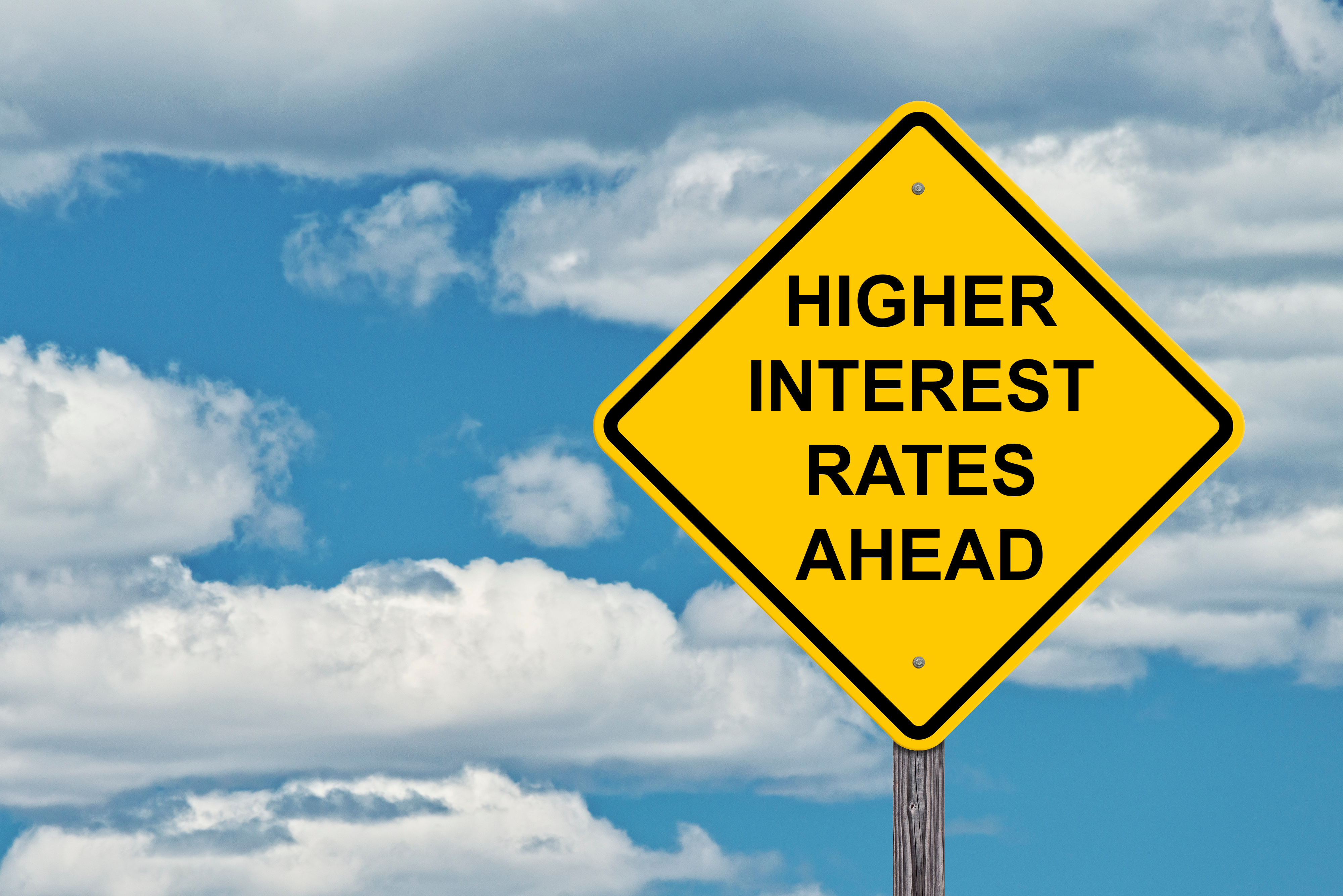
Well, if you’re like me and keep tabs on the real estate market, you were likely expecting to see rate increase this past week. However, what we got was a BIG rate increase… we saw a 1% increase to the variable.
So the question on everyone’s mind is what happens next? What does this mean for the real estate market going forward? Obviously the biggest outcome from this increase is going to be a decrease in affordability…
Here’s the math:
The prime rates went from 3.7% to 4.7%.
The discount off prime for most mortgages is now anywhere from 0.9% to .3%. What this means is that rates are 4.7% – 0.9% = 3.8% to 4.7% – 0.3% = 4.4%.
The qualifying rate is 2% above contract rate… If someone has a rate of 4.4%, they will have to qualify as though their mortgage is 6.4%. Yesterday, the qualifying rate would have been 5.4% for the same borrower.
Ok, so let’s take an income of $100,000.
Yesterday, if a buyer was going with a variable rate, their affordability would have been a mortgage of approximately $580,000 (assuming no other debt).
Today, qualifying with the variable rate provides a mortgage of approximately $522,000.
This is a 10% decrease in affordability. All in all, the increase of the prime rate today decreased affordability by 10%.
*please remember that most fixed rates are at around 5%, meaning this same client with a fixed rate would qualify at 7% interest, and their affordability would be limited to ~$490,000.
How Did We Get Here? This all started with Covid.
Governments had to make sure the economies didn’t tank when everything was shut down in 2020 and decided to pump (too much) money into the market.
There was a policy error, and not just in Canada. Central banks all over the world were too aggressive with easing policies, lowering rates, and quantitative easing (spreading around money) and they took too long to normalize these policies once the lockdowns ended.
*hindsight is 20/20 and this is the first time in modern history that we’ve had a pandemic. There’s no playbook for this sort of thing…
The low rates and ease of doing business provided for:- increased demand for products (household and business-related)- increased wages- increased demand for employees- increased demand for housing
There were a few warning signs in 2021, and people speculated that inflation would start to increase but it didn’t really happen until… Russia invaded Ukraine – Oil, gas, wheat, food- Supply chain disruptions in China.
So.. the policy error created an amazing business climate (stocks were at record highs in 2021) but an amazing business climate means growth, and growth means inflation.
Inflation was starting… but was extremely exacerbated by commodity prices increases due to Russia, and supply chain issues due to China.
Going forward, Canada is very worried about inflation being embedded. Embedded inflation means that inflation begets inflation… This happens when people think that prices will continue to rise and workers demand higher wages to match the rising cost of living (also known as wage inflation). The result would be more money in the economy, demand is fueled further and prices are pushed even higher.
But, the Bank of Canada’s ONE job is to keep inflation down. The government will do all they can to decrease demand.
The hope is that the increase in interest rates will make people feel less secure in their purchasing habits and demand less. Further, increased rates increase borrowing costs for businesses, which is hoped to decrease business spending.
Where is Variable Going?
There is talk that we are A) either already in a recession, B) will be in one soon, C) will be in one in 2023, D) we will have a soft landing and no recession will happen.
But that’s not the full picture: a recession just means that our economy isn’t growing. We could still have embedded inflation and wage inflation, which could mean the scary word of stagflation.
The Bank of Canada’s governor, Tiff Macklem, stated that he believes rates have to go to 3% or “slightly above.” The rates are now at 2.5%.
The market now expects inflation to stay high until 2024 when it will come back down to 2%.
Further, the market thinks that we will go to 3.75% (0.5% on Sept 7, 0.5% on Oct 26, and 0.25% on Dec 7th). That’s a full 1.25% MORE, even though the bank signaled it would only be .50% to make the prime rate 3.0% or “slightly above.”
So we’re going up more… and hopefully down later. How much higher? 0.5% to 1.25%… How much lower and when? This is an unknown…
The problem is that no one knows what increase in rates will cause inflation to stop. No one knows how deglobalization will affect prices.
This is a lot to absorb- I know. You likely have questions about where rates are going, if you should choose Fixed or Variable, and to buy now or wait, etc… I am in touch with several VERY experienced mortgage brokers that are guiding clients through this rate increase and helping them make the best decisions for their situaton.
If you want to speak to someone about the rate increases, or simply chat about the current state of the market, please reach out to me at lisa@siperko.com or 604 916 8061.